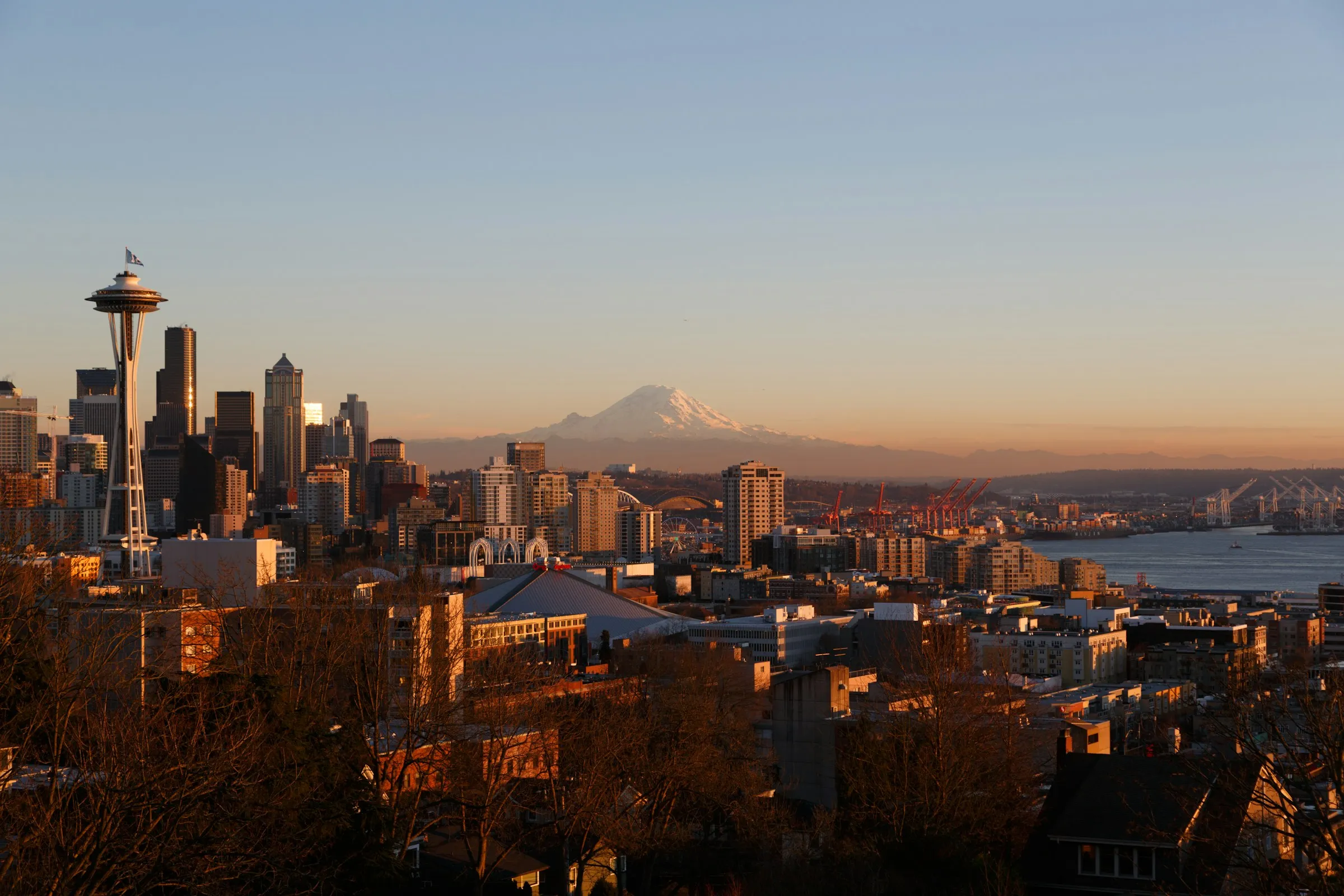
Seattle · King County
Backflow testing in Seattle, filed straight to SPU
Seattle Public Utilities runs one of the largest cross-connection control programs in the state, and it takes annual testing seriously. If you got a test-due notice from SPU, we test your assembly, hand you a copy of the report, and file it with SPU for you — so the next letter you get from them is not a non-compliance charge.
SPU program
How Seattle’s backflow program works
The short version, summarized from the utility’s own cross-connection control materials.
Source: Seattle Public Utilities · verified October 2026 ↗Every backflow assembly in SPU’s service area must be tested at installation, annually after that, and after any repair or replacement.
SPU sends reminders, but the water-service owner is responsible for getting the test done on time. Missed tests can bring non-compliance charges and, ultimately, water shutoff.
High-health-hazard facilities (hospitals, labs, car washes, food processing, docks, irrigation with chemical injection and more) need a Reduced Pressure Backflow Assembly at the meter as premises isolation.
Irrigation systems, fire sprinkler systems, and buildings over 3 stories or 30 feet are treated as low hazards and can use a DCVA, PVBA, or SVBA.
Inside Seattle city limits, Public Health – Seattle & King County is the plumbing authority; in Shoreline it is the City of Shoreline.
Report submission
Testers submit through SPU’s SAMS tester portal (the utility moved off email-only submissions). We register our BAT card and test-kit calibration with SPU every year, so your report is never bounced back.
Questions for the utility: SPU_Backflow@Seattle.gov · (206) 684-3536
On the ground
What we see in Seattle
Every city’s housing stock and commercial mix shapes what’s in the meter box.
Old houses, new irrigation
A lot of Seattle backflow assemblies are on lawn and planting-strip irrigation added to older homes in Ballard, Wedgwood and West Seattle. Those PVBs and DCs often live in a soggy meter box or a hedge — we bring a pump, a flashlight and patience.
Mixed-use & multifamily
Seattle’s mid-rise boom means a DCVA or RP on the domestic line plus a DCDA on the fire line in the same garage. We test every assembly on the property in one visit and give your property manager a single report packet.
Freeze season
An exposed irrigation PVB on a south-facing wall still freezes in a February cold snap. If you winterize, we can test at spring start-up so your test date and your system both come back online together.
Neighborhoods
Serving all of Seattle
Some addresses near the city line are served by other districts. If your water bill isn’t from Seattle Public Utilities, check our other service area pages or just call — we’ll tell you who your purveyor is.
- Ballard
- Fremont
- Wallingford
- Queen Anne
- Magnolia
- Capitol Hill
- Central District
- Beacon Hill
- Columbia City
- Rainier Valley
- West Seattle
- Georgetown
- SoDo
- South Lake Union
- University District
- Ravenna
- Wedgwood
- Greenwood
- Northgate
- Lake City
FAQ
Seattle backflow questions
01 Who can test my backflow assembly in Seattle?
02 How do backflow test reports get submitted to SPU?
03 How much does backflow testing cost in Seattle?
04 What if my assembly fails in Seattle?

Field test report · next due
Seattle test due? We’ll handle it.
Book online in two minutes. We test, repair if needed, and file the report with your water utility — and remind you next year.